Joint Pain Relief: Causes & Treatments in North India

Joint pain, or 'jodon ka dard' as we commonly call it, is a problem that affects millions across North India. Whether it's the damp chill of a Delhi winter, the aftermath of a viral fever, or simply the wear and tear of a long life, aching joints can severely impact our daily routines. This isn't just a sign of old age; it can be caused by a variety of factors. Understanding the root cause is the first step towards finding lasting relief.
This guide will walk you through the common reasons for joint pain and explore both traditional 'desi nuskhe' and modern medical treatments to help you manage your symptoms and improve your quality of life.
What is Joint Pain (Jodon ka Dard)?
Joints are the crucial connections between our bones that allow for movement. Joint pain is any discomfort, ache, or soreness felt in any of these connections, including the knees, shoulders, hips, elbows, and wrists. The pain can range from mild irritation to severe, debilitating pain, often accompanied by swelling, stiffness, and a reduced range of motion.
Common Causes of Joint Pain in India
While joint pain is a global issue, certain factors are more prevalent in our North Indian context. Let's explore the primary culprits.
Arthritis (Gathiya): The Main Offender
According to numerous health reports, including those from Manipal Hospitals, arthritis is the single most common cause of chronic joint pain. It's not a single disease but an umbrella term for joint inflammation.
- Osteoarthritis (OA): This is the 'wear-and-tear' type of arthritis. Over the years, the protective cartilage that cushions the ends of our bones wears down. This is very common in weight-bearing joints like the knees and hips, especially in older adults.
- Rheumatoid Arthritis (RA): This is an autoimmune disorder where the body's immune system mistakenly attacks its own tissues, including the lining of the joints. It can cause painful swelling and eventually lead to joint deformity.
Injuries and Overuse
Life is unpredictable, and injuries are a common source of joint pain. This can include:
- Sprains and Strains: Overstretching or tearing the ligaments (sprains) or muscles/tendons (strains) that support a joint.
- Bursitis: Inflammation of the bursae, the fluid-filled sacs that cushion our joints.
- Tendonitis: Inflammation of a tendon, often due to repetitive motion. Think of 'tennis elbow' or wrist pain from long hours on a computer.
Infections and Illnesses
Sometimes, joint pain is a symptom of a larger illness. As highlighted by Max Healthcare, viral infections are a frequent cause.
- Viral Infections: Many of us in North India are familiar with the severe joint pain that accompanies illnesses like Chikungunya, Dengue, or even the common flu (influenza). This pain is usually temporary but can be intense.
- Gout: This is a complex form of arthritis characterized by sudden, severe attacks of pain, redness, and tenderness in joints, often the joint at the base of the big toe. It's caused by an accumulation of uric acid crystals.
Lifestyle and Nutritional Factors
Our modern lifestyle plays a significant role in our joint health.
- Vitamin D Deficiency: This is a widespread issue in India. As noted by Kailash Hospital, a lack of Vitamin D is a silent contributor to joint and bone pain. Especially during North Indian winters when smog can block sunlight in cities like Lucknow and Delhi, our ability to naturally produce this essential vitamin decreases.
- Weight Management: Being overweight puts extra stress on your joints, particularly your knees and hips, which can accelerate wear and tear and worsen pain.
Finding Relief: Effective Treatments for Joint Pain
Managing joint pain often involves a combination of home care, lifestyle changes, and medical intervention.
Ghar ka Ilaj and Desi Nuskhe (Home Remedies)
For mild to moderate pain, these time-tested methods can provide significant relief.
- Hot and Cold Therapy: Use a heating pad or take a warm bath to relax muscles before activity. Use a cold pack (wrapped in a towel) for 15-20 minutes after an activity to reduce swelling and inflammation.
- Ayurvedic Herbs: Ayurveda offers powerful natural remedies. As per Sri Sri Ayurveda Hospital, herbs like Turmeric (Haldi) and Ginger (Adrak) have potent anti-inflammatory properties. A glass of warm 'haldi doodh' before bed is a classic desi nuskha for a reason.
- Gentle Movement: It might seem counterintuitive, but gentle exercise is crucial. Activities like walking, swimming, and yoga improve flexibility and strengthen the muscles that support your joints without putting stress on them.
- Diet: Incorporate anti-inflammatory foods into your diet. This includes foods rich in Omega-3 fatty acids like walnuts and chia seeds, and Vitamin C-rich foods like citrus fruits and peppers.
When to Seek Medical Help
While home remedies are excellent, it's vital to know when to consult a doctor. Book a medical appointment if you experience:
- Severe, unexplained joint pain.
- Pain accompanied by fever, redness, or significant swelling.
- Pain that doesn't improve with home care after a few days.
- Inability to move or put weight on the joint.
A doctor can provide an accurate diagnosis and recommend a structured treatment plan.
Professional Medical Treatments
Based on your diagnosis, a doctor might suggest:
- Medications: Over-the-counter (OTC) pain relievers or prescription Nonsteroidal Anti-inflammatory Drugs (NSAIDs) can manage pain and inflammation.
- Physical Therapy: A physiotherapist can design a tailored exercise program to strengthen the muscles around the affected joint, improve range of motion, and reduce pain.
- Topical Creams: Medicated ointments and creams can provide localized pain relief.
- Injections or Surgery: In severe cases, such as advanced osteoarthritis, options like corticosteroid injections or joint replacement surgery may be considered to restore function and eliminate pain.
Living with joint pain can be challenging, but it doesn't have to control your life. By understanding the causes and actively seeking the right combination of home remedies and professional medical advice, you can manage your symptoms effectively and stay active.
Experiencing persistent symptoms? Consult Dr. Sandeep Kr. Garg, a leading Orthopedic Surgeon in your area. Book Appointment
Have More Questions?
Find quick answers to common questions about our services, appointments, and patient care.
Ayurveda offers many effective remedies for joint pain. Herbs with strong anti-inflammatory properties like turmeric (haldi), ginger (adrak), and Shallaki are known to provide relief from pain and reduce swelling. Consuming these as part of your diet or in warm milk can be beneficial.
Vitamin D deficiency is a significant and common cause of joint pain, bone aches, and muscle weakness. This vitamin is crucial for bone health, and a lack of it can lead to or worsen conditions like osteoarthritis. It's a prevalent issue across India due to various factors.
The most effective treatment is often a combination of approaches. It includes at-home care like rest and applying ice/heat, gentle low-impact exercises (walking, swimming), managing weight, and using over-the-counter pain relievers. For persistent pain, medical options like physical therapy or prescription medication are necessary.

Related Articles
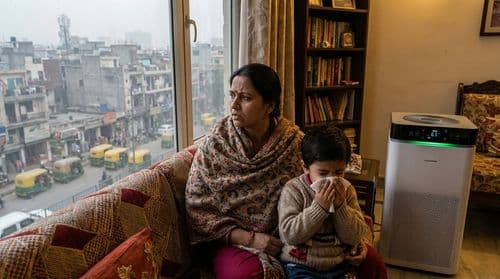
Winter Allergies or Smog? Symptoms in North India
As winter descends on North India, it brings a familiar mix of health woes. This guide helps you tell the difference between winter allergies and symptoms caused by smog.
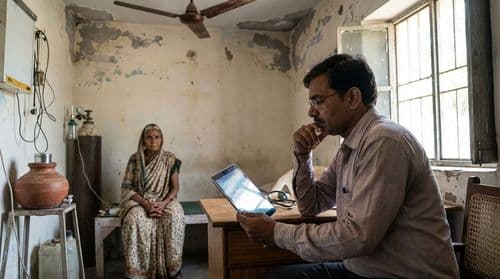
5 Tech Hurdles in Indian Healthcare We Can't Ignore
While technology promises to revolutionize healthcare, India faces significant challenges like poor infrastructure, high costs, and a digital skills gap. This article explores these critical limitations.
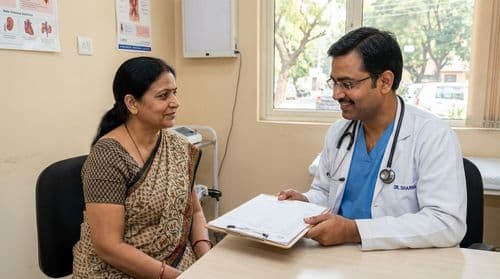
Pre-Anesthesia Checkup (PAC): A Guide to Surgical Safety
A Pre-Anesthesia Checkup (PAC) is a vital medical evaluation conducted before surgery to ensure patient safety. This guide explains the process, its importance, and what to expect.