Winter Allergies or Smog? Symptoms in North India
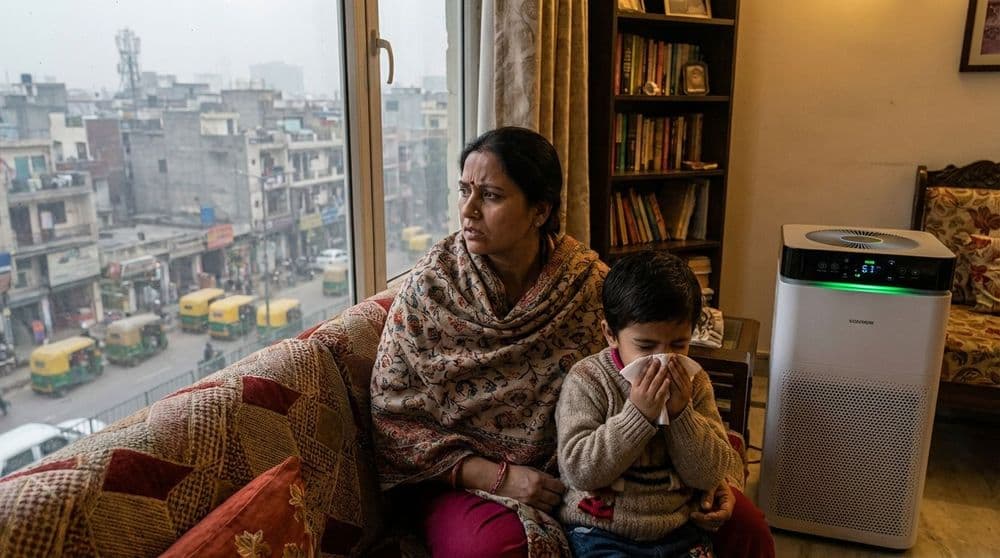
As the winter season blankets North India, from the bustling streets of Delhi to the historic lanes of Lucknow, many of us brace for the annual battle with sneezing, coughing, and irritated eyes. But is it the cold, a classic case of winter allergies or smog? Differentiating between these can be confusing, as their symptoms often overlap. Understanding the root cause is crucial for finding effective relief and protecting your health during these challenging months.
This comprehensive guide will help you understand the distinct triggers, symptoms, and management strategies for both winter allergies and pollution-related health issues, empowering you to breathe easier this season.
What are Winter Allergies?
Unlike spring allergies caused by pollen, winter allergies are primarily triggered by indoor allergens. As we spend more time indoors with windows and doors sealed shut to keep out the cold, we increase our exposure to substances that can provoke an allergic reaction. These symptoms can often be mistaken for a common cold, but they are your body's response to an allergen, not a virus.
Common Indoor Allergens
- Dust Mites: These microscopic creatures thrive in warm, humid environments like bedding, carpets, and upholstered furniture.
- Mould and Mildew: Damp areas like bathrooms, basements, and kitchens can be breeding grounds for mould, which releases spores into the air.
- Pet Dander: Flakes of skin from cats, dogs, and other furry pets are a potent allergen for many people.
- Cockroach Droppings: A less-discussed but common allergen found in many urban households.
Symptoms of Winter Allergies
According to health experts like Dr Lal PathLabs, winter allergy symptoms are persistent and can last for weeks or even the entire season. They typically include:
- Repetitive sneezing, often in fits.
- A runny or stuffy nose with clear, watery mucus.
- Itchy, watery, or red eyes.
- Itching in the nose, throat, or roof of the mouth.
- Dark circles under the eyes (allergic shiners).
The Smog Effect: When Pollution is the Culprit
Winter in North India is synonymous with a thick layer of smog that engulfs cities and towns. This toxic haze is a cocktail of pollutants, including particulate matter (PM2.5), nitrogen dioxide, and sulphur dioxide. As one Noida-based dermatologist noted in an MSN report, this winter pollution can be extremely harsh, causing significant damage not just to our lungs but also to our skin and hair.
How Smog Affects Your Health
When you inhale polluted air, these tiny particles can penetrate deep into your respiratory system, causing inflammation and irritation. This is not an allergic reaction but a direct response to toxic exposure.
Symptoms of Smog Exposure
Symptoms related to pollution can appear suddenly on days with high AQI (Air Quality Index) and might feel more severe than typical allergy symptoms. They include:
- A persistent dry or productive cough.
- Shortness of breath or wheezing.
- A scratchy or sore throat and throat irritation.
- Chest tightness or discomfort.
- Headaches and fatigue.
- Dull skin and rough, brittle hair.
Differentiating Symptoms: Allergy vs. Smog
Discerning the difference is key to proper management. While both can cause a runny nose and sneezing, there are tell-tale signs to help you distinguish between them. Here’s a breakdown:
The Itch Factor
As highlighted by the Hindustan Times, a primary differentiator is itching. Winter allergies almost always involve itchy eyes, an itchy nose, and sometimes an itchy throat. This is due to the release of histamine. Smog-related symptoms, on the other hand, are characterized more by irritation and soreness rather than a distinct itch.
Cough and Chest Symptoms
A persistent cough and chest tightness are more indicative of a reaction to smog. While allergies can cause a post-nasal drip that leads to some coughing, the direct irritation from pollutants often results in a more pronounced cough and difficulty breathing, especially for individuals with asthma.
Body Aches and Fever
Neither winter allergies nor smog symptoms should cause a fever or body aches. If you experience these, you are likely dealing with a viral infection like the common cold or flu, and it's best to rest and hydrate.
Practical Management and 'Desi Nuskhe'
Managing your symptoms requires a targeted approach based on the cause. Here are some localized tips for North Indian households.
For Controlling Winter Allergies:
- Clean Your Home: Regularly dust surfaces with a damp cloth, vacuum carpets using a HEPA filter vacuum, and wash your bedding in hot water weekly.
- Control Humidity: Use a dehumidifier in damp areas to prevent mould growth.
- Use an Air Purifier: An air purifier with a HEPA filter can capture dust mites, pet dander, and mould spores.
- Ghar ka Khana: A balanced diet rich in immunity-boosting foods like turmeric (haldi), ginger (adrak), and tulsi can help strengthen your body's defenses.
For Protection from Smog:
- Monitor AQI: Always check the daily Air Quality Index. On days with poor air quality, limit your time outdoors.
- Wear a Mask: When you do go out, wear a well-fitting N95 or N99 mask to filter out harmful pollutants.
- Seal Your Home: Keep windows and doors closed during peak pollution hours.
- Stay Hydrated: Drinking plenty of water helps flush out toxins and keeps your respiratory tract moist.
Distinguishing between winter allergies and smog symptoms is the first step toward finding relief. Pay close attention to your specific symptoms—especially the presence or absence of itching. By taking proactive steps to improve your indoor air quality and protect yourself from outdoor pollution, you can navigate the North Indian winter with better health and comfort.
Experiencing persistent symptoms? Consult Dr. Nandini Sethi, a leading ENT Specialist in your area. Book Appointment
Have More Questions?
Find quick answers to common questions about our services, appointments, and patient care.
There are key differences. People with seasonal allergies almost never have a sore throat or a cough, and their mucus is typically clear. Viral infections like a cold, however, often cause these symptoms and may involve thicker, colored mucus.
Yes, a doctor can diagnose allergies. They will evaluate your symptoms and medical history, and may recommend either a skin test or a blood test to confirm the presence of specific allergies.
Mucus from allergies is typically clear, thin, and watery. It tends to stay this way throughout your symptoms. A cold may start with clear mucus, but it often becomes thicker and may turn yellow or green as the infection progresses.

“Your Health, Our Priority. Your Voice, Our Guide”
Dr.Nikhil Singh
Anaesthesia, MBBS, MD
Related Articles

5 Tech Hurdles in Indian Healthcare We Can't Ignore
While technology promises to revolutionize healthcare, India faces significant challenges like poor infrastructure, high costs, and a digital skills gap. This article explores these critical limitations.

Pre-Anesthesia Checkup (PAC): A Guide to Surgical Safety
A Pre-Anesthesia Checkup (PAC) is a vital medical evaluation conducted before surgery to ensure patient safety. This guide explains the process, its importance, and what to expect.

India's Digital Health Revolution: Better ICU Care For You
India is undergoing a massive digital health revolution, transforming everything from daily consultations to critical care in ICUs. This shift promises better, faster, and more accessible healthcare for everyone.