5 Tech Hurdles in Indian Healthcare We Can't Ignore
Tech in Indian Healthcare: A Reality Check
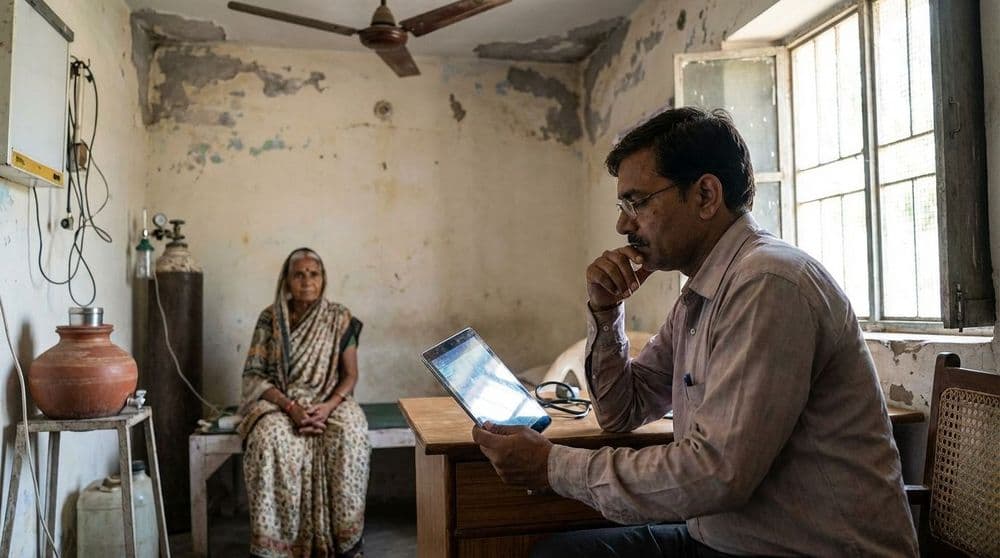
We hear about AI doctors, life-saving apps, and telemedicine connecting remote villages to city hospitals. The promise of technology in the Indian healthcare system is immense. It offers a future with better, faster, and more accessible care for all. However, before we get carried away, we need to have a serious conversation—a dose of reality. The path to a digitally empowered healthcare system, especially in North India, is filled with significant hurdles. This article explores the key limitations of technology in the Indian healthcare system that we must address.
From the unreliable internet in a small town near Lucknow to the high cost of modern equipment, these challenges are not just technical glitches; they affect real lives and the quality of care people receive. Understanding these problems is the first step towards finding lasting solutions.
1. The Great Digital Divide: Infrastructure and Access
One of the biggest roadblocks is the simple lack of basic infrastructure. While our cities are racing ahead with 5G, vast rural areas are still struggling with patchy network coverage and unreliable electricity. As studies highlighted by Nature and other research point out, a lack of consistent network coverage and IT infrastructure is a primary barrier.
Imagine a telemedicine consultation for a family in a village outside of Varanasi. What happens if the internet connection drops mid-conversation? Or if there's a power cut? These aren't minor inconveniences; they can prevent a timely diagnosis. The reality is that many healthcare facilities, especially in rural areas, lack the foundational tech to even get started. This 'digital divide' means that the very people who could benefit most from technology are the ones being left behind.
Key Infrastructure Challenges:
- Poor Connectivity: Limited and unstable internet access in rural and remote regions.
- Unreliable Power: Frequent power outages disrupt the functioning of essential medical and IT equipment.
- Outdated Facilities: Many clinics and small hospitals lack the physical infrastructure to support modern digital systems.
2. The Cost Barrier: Who Foots the Bill?
High-quality technology is expensive. Implementing and maintaining digital systems, from Electronic Health Records (EHRs) to advanced diagnostic machines, requires significant financial investment. For a country with a resource-constrained public health sector, these high installation and operating costs are a major challenge. As noted by various analyses, the financial burden is a recurring theme.
This isn't just about the government's budget. The cost is often passed down to the patients, making tech-enabled treatments unaffordable for many. Small, independent clinics find it nearly impossible to invest in the latest technology, creating a disparity in the quality of care between large corporate hospitals in cities like Delhi and smaller local facilities. We need high-quality, medical-grade equipment, but we also need to make it affordable and accessible for everyone, not just a select few.
3. Data Dilemmas: Security, Privacy, and Usability
In the digital age, data is the new currency. In healthcare, it's also incredibly sensitive. A major concern surrounding the adoption of technology is data privacy and security. With the rise of cybersecurity threats targeting patient information, ensuring that personal health records are safe is paramount. The lack of a unified national EHR system in India, as mentioned in research papers, complicates this further.
Beyond security, there's the problem of 'interoperability'. This is a technical term for a simple problem: different healthcare systems and software can't talk to each other. A patient's data from a hospital in Lucknow might not be readable by a clinic in Ghaziabad. This creates data silos, leading to repetitive tests, incomplete medical histories, and potential diagnostic errors. It makes the dream of a seamless, connected healthcare experience a distant one.
4. The Human Element: A Critical Skills Gap
Technology is only as good as the people using it. You can have the most advanced AI diagnostic tool, but it's useless if the doctors and staff aren't trained to use it effectively. A significant issue highlighted by studies from institutions like the National Institutes of Health (NIH) is the lack of training and familiarity with telehealth platforms among healthcare workers. This can lead to suboptimal service and a lack of trust from both patients and providers.
Furthermore, India faces a broader shortage of qualified physicians and specialized IT experts who can manage these complex systems. There's also a risk of over-reliance on technology, which can diminish critical thinking skills. And let's not forget the patient. Technology, especially AI, can lack the human touch and empathy that is so crucial for healing. Building digital literacy and trust among the general population is a slow, gradual process that requires patience and education.
5. Overburdened Systems and Reactive Care
Finally, technology is being introduced into an already overburdened healthcare system. As PwC India points out, our system is largely reactive—we treat people when they are sick, rather than focusing on proactive, preventive care. Technology has the potential to change this through wearables and data analytics, but integrating these tools into a system struggling with long waiting times and overcrowding is a massive challenge.
The sheer volume of patients means there is little time for healthcare providers to learn and adapt to new digital workflows. The focus remains on immediate patient care, leaving little room for long-term strategic implementation of technology. To truly succeed, digital transformation must be part of a broader vision to make our healthcare system more efficient, proactive, and patient-centric.
Conclusion: A Balanced Path Forward
Technology holds the key to solving many of India's healthcare challenges, but it is not a magic wand. The limitations are real and deeply rooted in our country's economic and social fabric. From building robust digital infrastructure in the remotest corners of North India to ensuring data privacy and training our healthcare workforce, the road ahead is long. We need a balanced approach—one that embraces innovation while focusing on fixing these fundamental problems. By tackling these hurdles head-on, we can ensure that the benefits of technology reach every single Indian, creating a healthier future for all.
Have More Questions?
Find quick answers to common questions about our services, appointments, and patient care.
The Indian healthcare system is primarily challenged by its vast population, which leads to overburdened facilities, long waiting times, and overcrowding. This immense pressure can compromise the quality and accessibility of patient care, especially in government-run sectors.
The main risks of AI in healthcare include potential biases in algorithms leading to unequal care, significant data privacy and security vulnerabilities, and high implementation costs. A crucial drawback is the lack of human empathy, which is vital for building patient trust and providing holistic care.

“Your Health, Our Priority. Your Voice, Our Guide”
Dr.Nikhil Singh
Anaesthesia, MBBS, MD
Related Articles
Winter Allergies or Smog? Symptoms in North India
As winter descends on North India, it brings a familiar mix of health woes. This guide helps you tell the difference between winter allergies and symptoms caused by smog.

Pre-Anesthesia Checkup (PAC): A Guide to Surgical Safety
A Pre-Anesthesia Checkup (PAC) is a vital medical evaluation conducted before surgery to ensure patient safety. This guide explains the process, its importance, and what to expect.

India's Digital Health Revolution: Better ICU Care For You
India is undergoing a massive digital health revolution, transforming everything from daily consultations to critical care in ICUs. This shift promises better, faster, and more accessible healthcare for everyone.