Pre-Anesthesia Checkup (PAC): A Guide to Surgical Safety
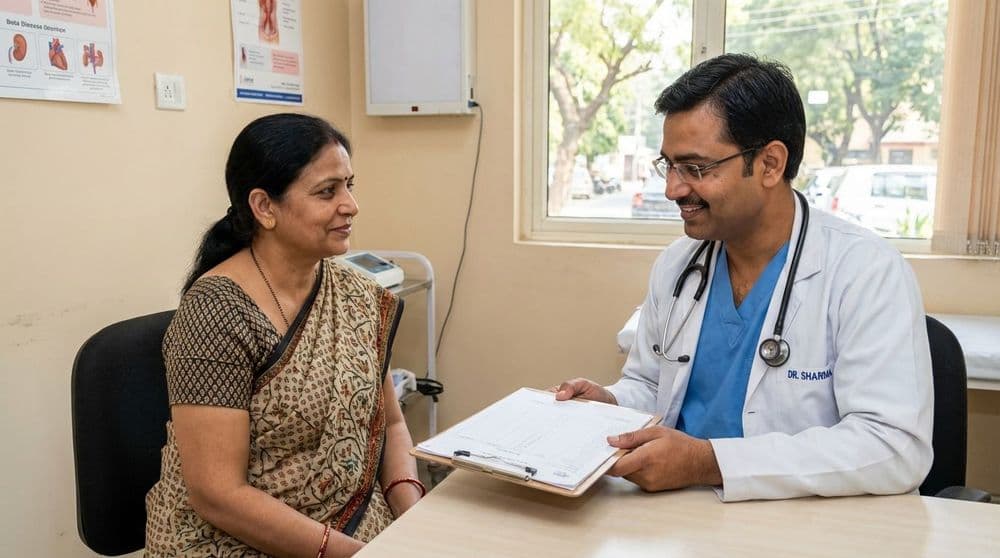
Going in for surgery can be a stressful time for anyone. Amidst all the preparations, one of the most critical steps is the Pre-Anesthesia Checkup, commonly known as PAC. This isn't just a formality; it's a comprehensive evaluation that acts as a crucial safety net, ensuring you are physically ready for both the anesthesia and the surgical procedure itself. For patients in North Indian cities like Lucknow or Delhi, understanding this process can help ease anxieties and prepare you for a smoother experience.
What Exactly is a Pre-Anesthesia Checkup (PAC)?
A Pre-Anesthesia Checkup (PAC) is a detailed clinical assessment performed by an anesthesiologist—the specialist doctor responsible for your safety and comfort during surgery. As defined by medical experts, it's the process that precedes the delivery of anesthesia for surgical and non-surgical procedures. The primary goal is simple: to make sure you are healthy enough to undergo anesthesia and to identify any potential risks beforehand. This allows the medical team to create a personalized anesthesia plan tailored specifically to your health needs, significantly minimizing the chances of complications.
Why is the PAC So Important?
The importance of a well-conducted PAC cannot be overstated. It is a fundamental part of modern surgical care that directly enhances patient safety. According to a study highlighted by the National Institutes of Health (NIH), a proper pre-anesthetic evaluation helps decrease perioperative morbidity and mortality. It moves the process from being just about giving medicine to sleep, to a more holistic approach of perioperative care.
Minimizing Risks and Complications
Every individual is unique, with different health histories and conditions. A PAC helps the anesthesiologist identify any underlying medical issues, such as heart problems, lung conditions, diabetes, or allergies, that could pose a risk during surgery. By knowing these details in advance, they can adjust the type and dosage of anesthesia, monitor you more closely, and have a plan ready for any potential issues. This proactive approach is essential for preventing adverse reactions during the procedure.
Optimizing Your Health Before Surgery
Sometimes, the PAC may reveal a condition that needs to be managed before surgery can safely proceed. For instance, if your blood pressure is too high or your blood sugar levels are unstable, the surgery might be postponed for a short period. This isn't a setback; it's a protective measure. It gives you and your doctors time to get the condition under control, ensuring you go into surgery in the best possible health, which also aids in a faster, smoother recovery.
Personalizing Your Anesthesia Plan
There isn't a one-size-fits-all approach to anesthesia. Based on your physical condition, the type of surgery, and your medical history, the anesthesiologist will decide on the safest anesthetic technique for you. This could range from local anesthesia (numbing a small area), regional anesthesia (numbing a larger part of the body, like an epidural), to general anesthesia (making you completely unconscious). The PAC provides all the necessary information to make this critical decision.
What Happens During a Pre-Anesthesia Checkup?
A PAC is a multi-step process involving a conversation, a physical exam, and sometimes, a few diagnostic tests. It's an opportunity for you to ask questions and for the doctor to get a complete picture of your health.
- Detailed Medical History
Your anesthesiologist will have a thorough discussion with you. Be prepared to talk about:
- Past and Existing Medical Conditions: Heart disease, diabetes, asthma, kidney problems, etc.
- Previous Surgeries and Anesthesia: How you reacted to anesthesia in the past is very important information.
- Current Medications: Bring a complete list of everything you take, including prescriptions, over-the-counter drugs, and even herbal supplements or 'desi nuskhe'.
- Allergies: Mention any known allergies to medications, food, or latex.
- Lifestyle Habits: Be honest about smoking, alcohol consumption, or any other substance use, as these can significantly affect how your body responds to anesthesia.
- Physical Examination
The doctor will perform a physical check, focusing on:
- Vital Signs: Your blood pressure, heart rate, and respiratory rate will be checked.
- Heart and Lungs: The doctor will listen to your heart and lungs to ensure they are functioning well.
- Airway Assessment: This is a crucial step where the doctor examines your mouth, neck, and jaw to predict how easy or difficult it might be to place a breathing tube if needed for general anesthesia.
- Diagnostic Tests
Based on your age, health status, and the type of surgery, the anesthesiologist may order a few basic tests to get a clearer picture. These are not always necessary for every patient, but common tests include:
- Blood Tests: A Complete Blood Count (CBC), kidney and liver function tests (KFT, LFT), and blood sugar levels are common.
- Electrocardiogram (ECG): This test checks the electrical activity of your heart and is often done for patients over a certain age or with a history of heart issues.
- Chest X-ray: This may be required for individuals with lung conditions or heavy smokers.
Your Role in a Successful PAC
Your active participation is key. Be open and honest with the anesthesiologist. Information that might seem unimportant to you could be vital for your safety. Don't hesitate to ask questions about the anesthesia plan, potential side effects, or your recovery. Understanding the process helps build trust and reduces anxiety, making the entire surgical journey, from the operation theatre in Lucknow to your recovery at home, a much safer one.
Experiencing persistent symptoms? Consult Dr. Nikhil Singh, a leading Anaesthesiologist in your area. Book Appointment
Have More Questions?
Find quick answers to common questions about our services, appointments, and patient care.
A PAC (Pre-Anesthetic Checkup) isn't a single test but a comprehensive medical evaluation by an anesthesiologist before surgery. It involves reviewing your health history, a physical exam (like checking your airway), and sometimes ordering blood tests, an ECG, or X-rays to identify risks and plan for a safe procedure.
By thoroughly assessing a patient before administering anesthesia, healthcare providers can identify and mitigate any medical conditions, allergies, or existing medications that could potentially lead to adverse reactions during surgery, thus enhancing patient safety.
A PAC includes a thorough review of your medical history, a complete physical exam, and checking vital signs. Depending on your health, it may also include investigations like blood tests (CBC, sugar, liver/kidney function), an ECG, and sometimes a chest X-ray to ensure you are fit for anesthesia.

“Precision in Every Dose. Safety in Every Second.”
Dr. Akshat Trivedi
Anesthesiologist, MBBS, MD
Related Articles
Winter Allergies or Smog? Symptoms in North India
As winter descends on North India, it brings a familiar mix of health woes. This guide helps you tell the difference between winter allergies and symptoms caused by smog.
5 Tech Hurdles in Indian Healthcare We Can't Ignore
While technology promises to revolutionize healthcare, India faces significant challenges like poor infrastructure, high costs, and a digital skills gap. This article explores these critical limitations.

India's Digital Health Revolution: Better ICU Care For You
India is undergoing a massive digital health revolution, transforming everything from daily consultations to critical care in ICUs. This shift promises better, faster, and more accessible healthcare for everyone.