Postpartum Secrets: What Indian Doctors Want You to Know
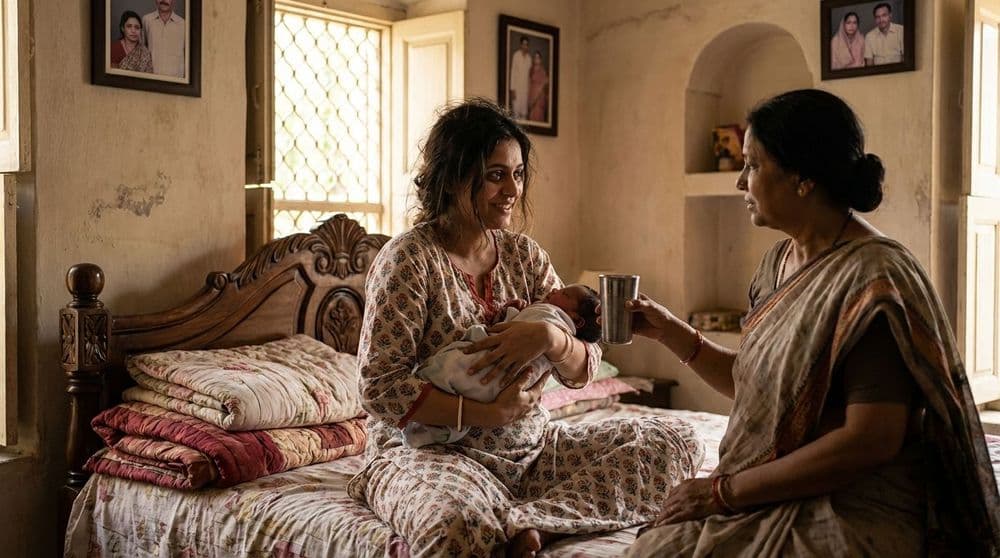
Bringing a new life into the world is a joyous, life-altering experience. In North India, the arrival of a baby is celebrated with immense love and family support. However, amidst the celebrations, the journey of the new mother—the postpartum period—is often shrouded in silence. Many women find that the reality is far from the picture-perfect images they've seen. As noted by Hackensack Meridian Health, “Your body may seem foreign to you, you may feel more emotional or be mentally and physically exhausted.”
This guide is here to shed light on the aspects of postpartum recovery that are rarely discussed, offering you an honest, empathetic, and practical look at what to expect in the weeks and months after childbirth.
The Physical Toll: More Than Just 'Bouncing Back'
The phrase 'bounce back' puts immense pressure on new mothers. The truth is, your body has performed a miracle and needs time and care to heal. Expecting an instant return to your pre-pregnancy self is unrealistic and overlooks the significant physical recovery process.
Postpartum Bleeding (Lochia)
One of the most surprising aspects for many new mothers is the extent of postpartum bleeding, known as lochia. This isn't a regular period; it's the body's way of expelling the uterine lining, mucus, and blood. It can last for several weeks, changing in colour and consistency from bright red to a lighter pink or brown. It’s a normal, albeit inconvenient, part of the healing process.
Afterpains and Healing
As your uterus contracts back to its original size, you may experience 'afterpains,' which feel like menstrual cramps. These can be more noticeable during breastfeeding due to the release of the hormone oxytocin. Additionally, whether you had a vaginal birth or a C-section, there will be soreness and healing required. Patience and gentle care are your best friends during this time.
Unexpected Body Changes
Beyond the baby bump, other changes occur that can be surprising. As highlighted in a featured snippet from search data, many mothers are unprepared for postpartum hair loss, skin changes, and significant hormonal fluctuations. It's common to experience hair shedding a few months after delivery. Similarly, your skin might become drier, oilier, or you might see changes in pigmentation. These are typically temporary and linked to your hormones rebalancing.
The Emotional Rollercoaster: Navigating Hormonal Shifts
The first six weeks after childbirth can be a whirlwind of hormonal shifts and exhaustion. The 'baby blues' are very common, leaving you feeling weepy, anxious, or overwhelmed for a short period. This is a direct result of the dramatic drop in estrogen and progesterone levels after birth.
It's crucial to differentiate this from Postpartum Depression (PPD), a more severe and persistent condition. While the baby blues typically fade within two weeks, PPD involves intense feelings of sadness, anxiety, or despair that interfere with your ability to function. If you feel this way, please know you are not alone, and it is not a sign of weakness. Seeking help is a sign of strength.
Desi Nuskhe and Modern Wisdom: A North Indian Approach
In many North Indian households, the 'jaapa' period (a traditional 40-day confinement) provides a crucial cocoon for the new mother. This is a time for rest, bonding, and nourishment.
The Power of Ghar ka Khana
Nutrition is paramount. Traditional foods like *panjiri*, *gond ke laddu*, and warm bowls of *dalia* are not just comfort food; they are packed with nutrients designed to aid healing, boost energy, and support lactation. Embracing this traditional wisdom of *ghar ka khana* can be incredibly beneficial.
The Importance of Rest: The 5-5-5 Rule
A modern concept that aligns beautifully with traditional practices is the '5-5-5 Rule' for postpartum rest.
- 5 Days IN the Bed: The first five days should be spent mostly in bed, focusing on rest and bonding with your baby.
- 5 Days ON the Bed: For the next five days, you can be more active but should remain on or very near your bed.
- 5 Days AROUND the Bed: In the following five days, you can move around your room, but the focus remains squarely on minimal activity and maximum recovery.
This guideline, popular in many global wellness communities, emphasizes that giving birth is a major physical event requiring significant rest.
Building Your Support System
Postpartum is not a journey to be walked alone. Lean on your partner, your mother, your in-laws, and your friends. In cities like Delhi or Lucknow, where life can be fast-paced, it's easy to feel isolated. Don't hesitate to ask for help—whether it's for cooking a meal, holding the baby while you nap, or simply having someone to talk to.
Your body and mind have been through an incredible transformation. Be kind to yourself, allow yourself the grace to heal at your own pace, and embrace the support system around you. This period of change and challenge is also one of profound love and connection.
Experiencing persistent symptoms or feeling overwhelmed? Consult Dr. Richa Gangwar, a leading Gynaecologist in your area. Book Appointment
Have More Questions?
Find quick answers to common questions about our services, appointments, and patient care.
Many new mothers are not fully prepared for the range of physical and emotional challenges, including significant hair loss, skin changes, hormonal fluctuations, nutrient depletion, and profound exhaustion that can occur in the first year after childbirth.
A surprising aspect for many is the amount of postpartum bleeding, known as 'lochia.' It's a discharge containing blood, mucus, and uterine tissue that can last for several weeks as the body heals after delivery.
The 5-5-5 postpartum rule is a guideline to ensure adequate rest. It suggests spending the first 5 days IN bed, the next 5 days ON the bed, and the following 5 days AROUND the bed to allow for physical and mental healing while bonding with the baby.

“Your Partner in Health, From Adolescence to Motherhood & Beyond.”
Dr Aparna Khandelia
Obs & Gynae Surgeon, MBBS, MS
Related Articles
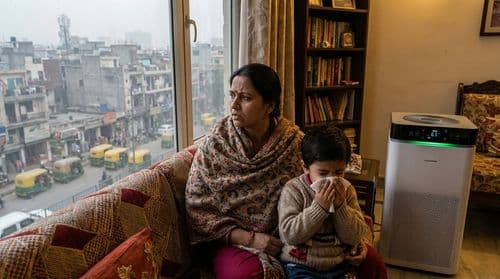
Winter Allergies or Smog? Symptoms in North India
As winter descends on North India, it brings a familiar mix of health woes. This guide helps you tell the difference between winter allergies and symptoms caused by smog.
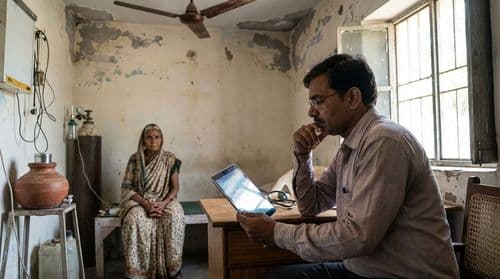
5 Tech Hurdles in Indian Healthcare We Can't Ignore
While technology promises to revolutionize healthcare, India faces significant challenges like poor infrastructure, high costs, and a digital skills gap. This article explores these critical limitations.
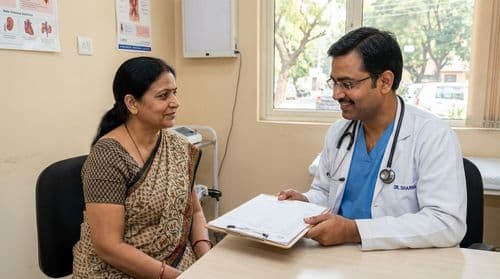
Pre-Anesthesia Checkup (PAC): A Guide to Surgical Safety
A Pre-Anesthesia Checkup (PAC) is a vital medical evaluation conducted before surgery to ensure patient safety. This guide explains the process, its importance, and what to expect.