Chandipura Virus: A Guide for North Indian Families
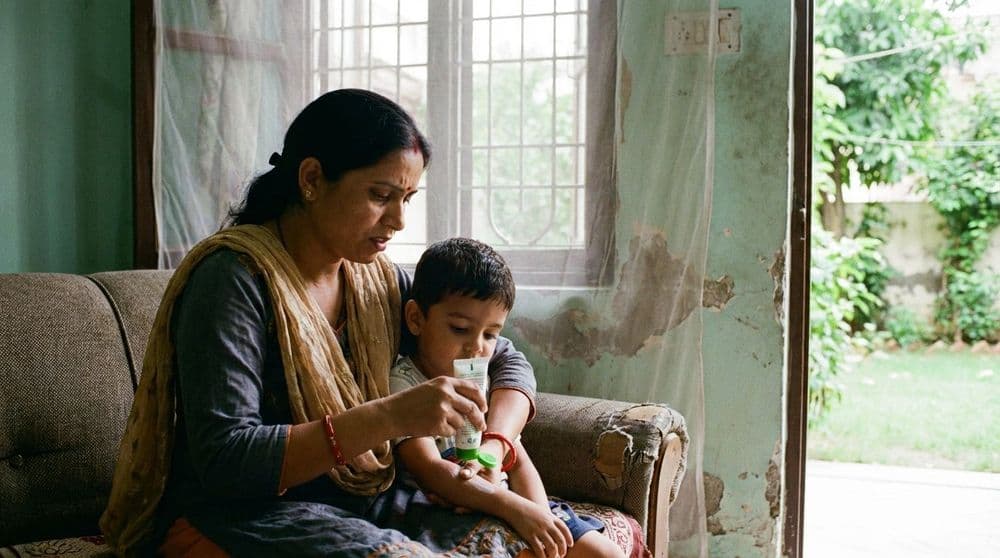
A recent health concern, the Chandipura virus, has been making headlines, particularly following an outbreak of Acute Encephalitis Syndrome (AES) in Gujarat, as reported by the Ministry of Health and Family Welfare. This serious illness primarily affects children and can progress rapidly, making awareness and prevention crucial for families across North India. While the recent focus has been elsewhere, viruses know no borders, and understanding this threat is the first step in safeguarding our communities in cities like Delhi, Lucknow, and beyond.
What is the Chandipura Virus?
The Chandipura virus (CHPV) is a viral infection that leads to encephalitis, which is an inflammation of the brain. It was first identified in 1965 in Chandipura village in Maharashtra. According to the World Health Organization (WHO), this disease predominantly affects children under the age of 15 and can be extremely severe.
How Does It Spread?
CHPV is a vector-borne disease, meaning it is transmitted to humans through the bite of an infected insect. The primary carriers are believed to be sandflies, which are tiny insects that are most active during the evening and nighttime. These insects thrive in humid conditions, making the post-monsoon season a period of higher risk. The virus does not spread from person to person.
Key Symptoms of Chandipura Virus Infection
The most alarming aspect of the Chandipura virus is its rapid onset and progression. Symptoms can appear suddenly and worsen within a short period. As highlighted by research from the National Institutes of Health (.gov), families must be vigilant for these warning signs.
Initial Symptoms
- Sudden High-Grade Fever: The illness often begins abruptly with a very high fever.
- Headache and Vomiting: These are common early signs that can sometimes be mistaken for other common illnesses.
- Diarrhea: Some patients may also experience gastrointestinal issues like diarrhea.
Severe Neurological Symptoms
As the infection progresses, it attacks the central nervous system, leading to more dangerous symptoms. This is the stage of Acute Encephalitis Syndrome (AES).
- Altered Sensorium: The child may seem confused, disoriented, or unusually drowsy.
- Seizures or Convulsions: The onset of fits is a critical sign of severe brain inflammation.
- Coma: In the most severe cases, the patient can lose consciousness and slip into a coma, which can culminate in death within just a couple of days of symptom onset.
Given this rapid timeline, immediate medical attention is not just recommended; it is life-saving. If your child displays a sudden high fever accompanied by any neurological symptom, rush to the nearest hospital.
Diagnosis and Treatment
There is currently no specific antiviral drug to cure Chandipura virus infection. Treatment is primarily supportive and focuses on managing the symptoms and complications in an intensive care setting (ICU).
How is it Diagnosed?
Diagnosis involves clinical assessment by a doctor and is confirmed through laboratory tests. These tests look for the presence of IgM antibodies against the Chandipura virus in the patient's blood or cerebrospinal fluid (CSF).
Supportive Care
- Managing Fever: Medications are used to control the high fever.
- Controlling Seizures: Anticonvulsant drugs are administered to manage seizures.
- Respiratory Support: Patients who have difficulty breathing may require mechanical ventilation.
- Maintaining Hydration: Intravenous (IV) fluids are given to prevent dehydration, especially if there is vomiting or diarrhea.
Prevention: Protecting Your Family in North India
Since there is no cure, prevention is the most powerful tool we have against the Chandipura virus. The focus is on avoiding insect bites, especially during peak activity hours.
Personal Protection Measures
- Use Insect Repellent: Apply a good quality, child-safe insect repellent on exposed skin when outdoors, particularly in the evenings.
- Wear Protective Clothing: Dress children in long-sleeved shirts and long pants to minimize skin exposure.
- Use Bed Nets: Always use insecticide-treated mosquito nets while sleeping. This is a simple but highly effective barrier against biting insects at night.
Home and Community Measures
- Install Screens: Fit windows and doors with mesh screens to prevent insects from entering the house.
- Eliminate Breeding Sites: Sandflies and other insects breed in and around homes. Keep your surroundings clean, avoid water stagnation, and ensure proper waste disposal.
- Community Fogging: During high-risk seasons, local health authorities may conduct fogging to reduce the adult insect population. Cooperate with these efforts.
While traditional 'desi nuskhe' like burning neem leaves can help as a temporary repellent, they should not be relied upon as the sole method of protection. A multi-pronged approach combining personal protection and environmental hygiene is the best defense for your family.
Experiencing persistent symptoms? Consult Dr. Rahul Singh, a leading Neurologist in your area. Book Appointment
Have More Questions?
Find quick answers to common questions about our services, appointments, and patient care.
The Chandipura virus primarily affects children under the age of 15. They are the most vulnerable group for developing severe symptoms like Acute Encephalitis Syndrome (AES).
The main symptoms start with a sudden high fever, headache, and vomiting. This can rapidly progress to severe neurological signs such as confusion, convulsions (seizures), and coma.
No, there is no specific antiviral cure for the Chandipura virus. Treatment is supportive, focusing on managing the symptoms like fever and seizures in a hospital's intensive care unit.

“Your Health, Our Priority. Your Voice, Our Guide”
Dr.Nikhil Singh
Anaesthesia, MBBS, MD
Related Articles

Post-Surgery Pain Management: A Guide for North India
A comprehensive guide to managing pain after surgery, with a focus on methods and care relevant to patients in North India for a smoother, faster recovery.

13 Best Indian Foods for Strong Bones (North India Guide)
Strengthen your bones with our guide to the best Indian foods. Learn how staples from your North Indian kitchen can help prevent osteoporosis and improve bone health.
Dengue in Chandigarh: A Post-Monsoon Prevention Guide
An extended monsoon has led to a spike in dengue cases in Chandigarh. This guide covers crucial prevention strategies and symptoms to watch out for.