Post-Surgery Pain Management: A Guide for North India
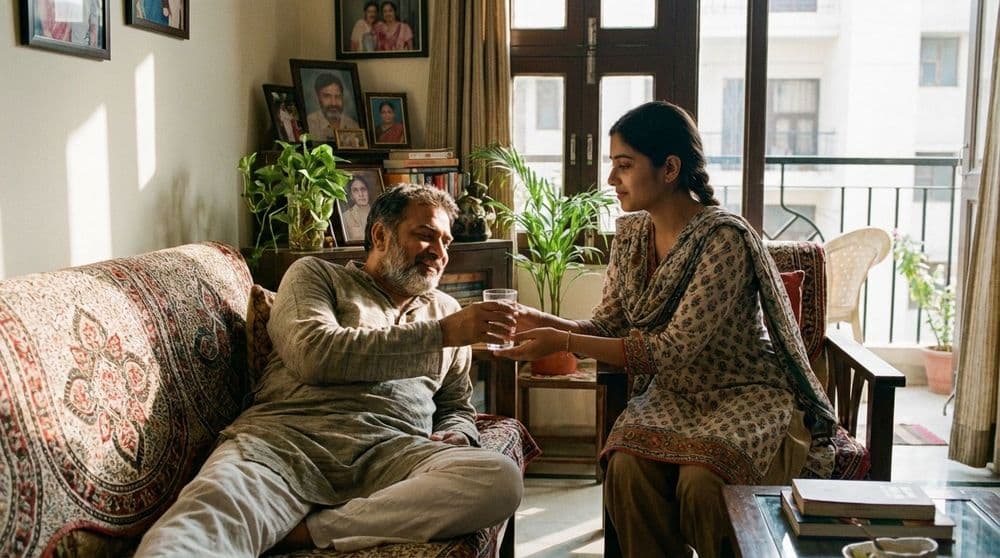
Dealing with pain after surgery is a major concern for patients and their families across North India. Effective postoperative pain management is not just about comfort; it is a critical part of the healing process, helping you recover faster and with fewer complications. From the bustling cities of Delhi to the heart of Lucknow, understanding your options is the first step towards a smoother recovery.
Why Effective Postoperative Pain Management is Crucial
Properly managing pain after an operation is essential for several reasons. It reduces physical and emotional stress, allows for better sleep, and enables you to start moving sooner. Early mobility, like gentle walking, is key to preventing complications such as blood clots and chest infections, especially during the colder winter months in North India when we tend to be less active. As noted by Kauvery Hospital, a good pain management plan should be patient-specific and ideally planned during the preoperative assessment.
Common Methods for Managing Post-Surgical Pain
Your doctor will create a pain management plan tailored to your specific surgery, medical history, and pain tolerance. This plan often involves a combination of methods for the best results.
Medications (Dawaaiyan)
Medication is the cornerstone of post-surgical pain relief. The approach is often 'multimodal', meaning different types of drugs are used to tackle pain from different angles.
- Non-Opioid Analgesics: These are often the first line of defence. This includes drugs like Paracetamol (Acetaminophen) and Non-Steroidal Anti-Inflammatory Drugs (NSAIDs) like Diclofenac. A 2025 study highlighted in ScienceDirect suggests Acetaminophen can be used to prevent 'breakthrough pain'. These medications are effective for mild to moderate pain and help reduce inflammation.
- Opioids: For severe pain, especially in the first few days after major surgery, doctors may prescribe opioids. While highly effective, these are used cautiously due to potential side effects and the risk of dependence. Research in the International Surgery Journal found that despite using opioids, a significant number of patients still reported severe pain on the first day, highlighting the need for a comprehensive approach.
Medical Procedures for Pain Relief
In some cases, especially after major orthopedic or abdominal surgeries, more advanced techniques are used.
- Nerve Blocks: An anesthesiologist injects a local anesthetic near specific nerves to block pain signals from a large area of the body, such as an entire leg or arm. This can provide excellent pain relief for many hours.
- Epidural Analgesia: A thin tube (catheter) is placed in the back to deliver pain medication continuously. This is commonly used after major chest or abdominal surgery.
The Role of Home Care and 'Desi' Wisdom
Once you're back home, managing your recovery continues. Combining medical advice with practical home care can make a huge difference.
Rest and Positioning
Getting enough rest is non-negotiable. However, it's also important to change your position regularly to avoid stiffness and pressure sores. Using pillows to support the surgical area can provide significant comfort.
Diet and Hydration
Good nutrition is vital for healing tissues. Stick to simple, wholesome 'ghar ka khana' that is easy to digest. Foods rich in protein, vitamins, and minerals will aid your recovery. Drinking plenty of water is also crucial to stay hydrated and help your body function optimally.
Gentle Movement and Physiotherapy
As soon as your doctor gives you the green light, start with gentle movements. This could be as simple as walking around the room. For many surgeries, especially orthopedic ones, physiotherapy is a key part of rehabilitation. A qualified physiotherapist will guide you through exercises to restore strength, flexibility, and function, which is a critical part of long-term pain management.
Your Active Role in Your Recovery
Remember, you are the most important person in your pain management team. Communicate openly with your doctors and nurses. Use a pain scale (usually 0-10) to describe your pain accurately. Don't try to be a 'hero' and endure severe pain, as it can slow down your recovery. A patient-specific approach, as mentioned in multiple studies, is the most effective way to ensure your comfort and safety after surgery.
Experiencing persistent symptoms? Consult Dr. Neeraj Singh, a leading Pain & Rehabilitation Specialist in your area. Book Appointment
Have More Questions?
Find quick answers to common questions about our services, appointments, and patient care.
The most common medications include non-opioids like Acetaminophen (Paracetamol) and NSAIDs (e.g., Diclofenac) for mild to moderate pain. For severe pain, doctors may prescribe opioids, often in combination with other analgesics.
While significant pain can be expected, especially on the first day after a major operation, it should be manageable with the prescribed pain relief plan. If your pain is severe and not controlled by your medication, you must inform your doctor or nurse immediately.
It is best to discuss your pain management plan during your preoperative assessment, before the surgery takes place. This allows the medical team to create a patient-specific plan tailored to your needs, medical condition, and preferences.

“Your Health, Our Priority. Your Voice, Our Guide”
Dr.Nikhil Singh
Anaesthesia, MBBS, MD
Related Articles

13 Best Indian Foods for Strong Bones (North India Guide)
Strengthen your bones with our guide to the best Indian foods. Learn how staples from your North Indian kitchen can help prevent osteoporosis and improve bone health.

Dengue in Chandigarh: A Post-Monsoon Prevention Guide
An extended monsoon has led to a spike in dengue cases in Chandigarh. This guide covers crucial prevention strategies and symptoms to watch out for.
Winter Health Tips for a Healthy North India
A comprehensive guide with actionable tips for North Indians to maintain health and boost immunity during the challenging winter season.